
How to Avoid Bubbles in Epoxy Resin
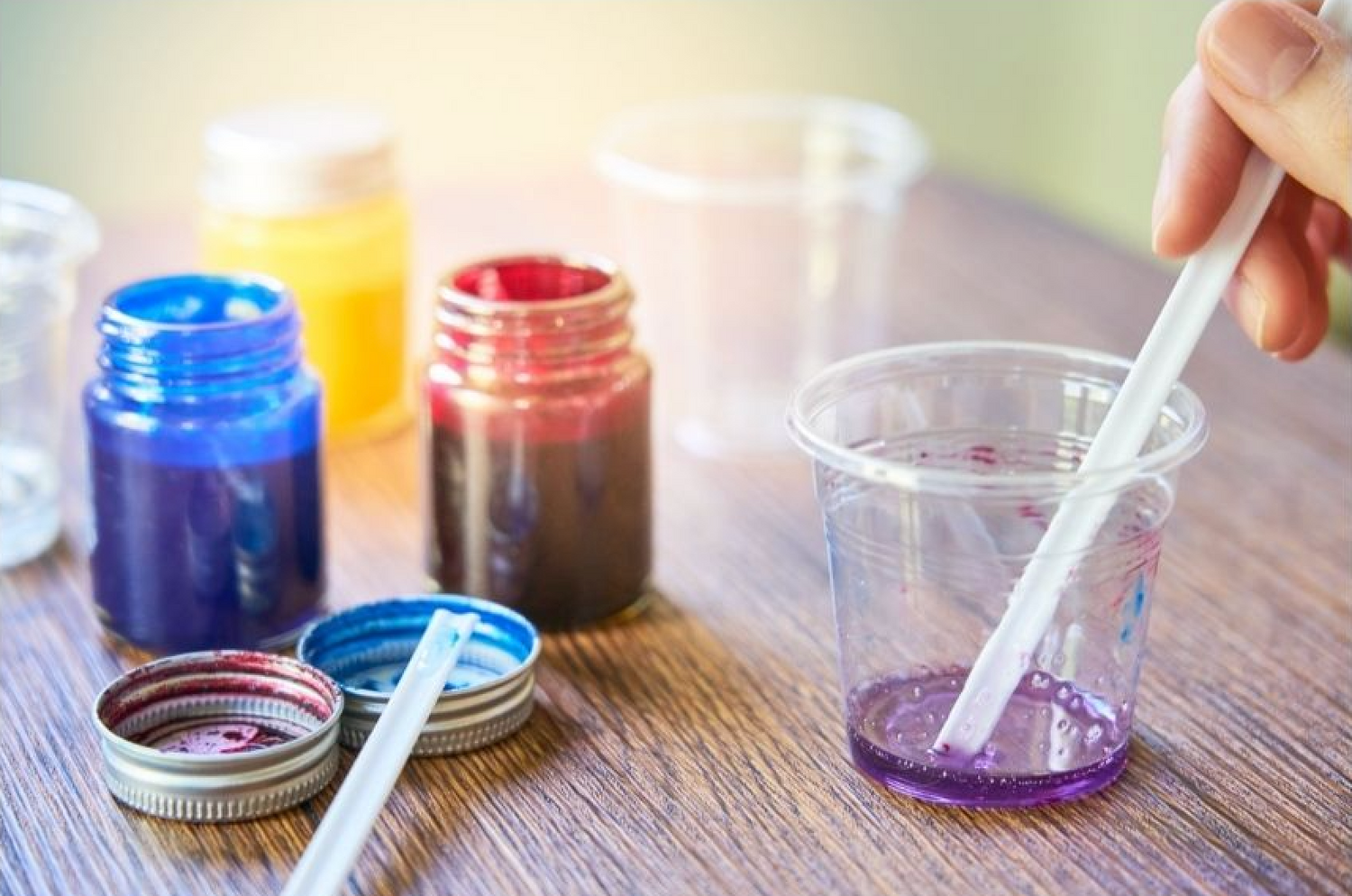
Bubbles are the most common resin frustration. Here is what causes them and the practical fixes that actually work.
Where Bubbles Come From
- Mixing — stirring whips air into the resin
- Pouring — pouring from height or in thin splashes traps air
- Porous surfaces — wood and moulds release air into the resin
- Thick viscosity — cold, thick resin holds bubbles longer
Prevention Techniques
1. Mix slowly. Stir at a steady, moderate pace rather than whipping. Lift and fold instead of beating.
2. Warm your resin. Before mixing, let resin stand in warm water for 10–15 minutes (keep water out of the bottle). Warmer resin is thinner and releases bubbles far more easily.
3. Let the mix rest. After mixing, let the cup sit 1–2 minutes; many bubbles rise and pop on their own.
4. Pour low and slow. Pour close to the surface, from a low height, into one spot and let it flow outward.
5. Seal porous surfaces first. Brush a thin seal coat on wood or other porous material, let it cure, then pour. This blocks air from escaping into the pour.
6. Warm the mould/surface. A slightly warmer surface helps bubbles rise.
Removing Bubbles After Pouring
- Torch/heat gun pass — a quick pass pops surface bubbles. Keep moving; never hold heat in one place.
- Spray of isopropyl alcohol — a fine mist can pop surface bubbles (use sparingly).
- Toothpick or pin — for stubborn bubbles at edges and details.
For Deep Pours
Bubbles in thick casts need patience: pour in layers within the recommended depth, use low-viscosity deep-pour resin, and give each layer time for bubbles to escape. Warm resin plus slow pouring makes the biggest difference here.
Choosing Bubble-Friendly Resin
Low-viscosity systems release bubbles better. If bubble trouble keeps hurting your work, ask us about casting and deep-pour grades — Aurexa Resin supplies systems selected for easy bubble release.
Need Help Choosing Epoxy Resin?
Tell the Aurexa Resin team about your project — we supply art, casting, table top, deep pour and industrial epoxy resin across India.
Keep Reading
Epoxy Resin for Jewellery Making: A Buyer's Guide
Clarity, bubble control and small-cast handling — what to look for in jewellery resin, plus practical casting tips.
How to Mix Epoxy Resin Correctly (Step-by-Step)
Sticky spots and soft cures usually come down to mixing. Follow this step-by-step method for a reliable, bubble-free mix.
How to Choose the Right Epoxy Resin for Your Project
Art, jewellery, table tops or river tables? Use this practical framework to match resin type, pour depth and working time to your project.